Drinking Every Night: Am I An Alcoholic? (What to Know)
Jun 23, 2026
If you drink every night, you might wonder if that makes you an “alcoholic.” This was a question I asked myself many times. I was drinking too much, but I didn’t fit the stereotype of an “alcoholic.” I had responsibilities, relationships, and a life that looked fine on the outside—but I knew my drinking was becoming a problem.
At the same time, the idea of quitting completely felt overwhelming. I didn’t want to give up alcohol forever, but I did want to regain control. If you feel the same way, you’re not alone. Many people wonder where the line is between casual drinking and a drinking problem.
Is Drinking Every Night a Sign of Alcoholism?
Drinking every night does not automatically mean you are an alcoholic or have severe Alcohol Use Disorder (AUD). However, habitual nightly drinking is often a sign of increased alcohol tolerance and emotional dependence, making it a critical time to evaluate your relationship with alcohol.
Signs You May Be Drinking Too Much
-
Drinking more than intended – You set limits but often exceed them.
-
Cravings or urges to drink – Alcohol is on your mind frequently.
-
Impact on daily life – Drinking is affecting your health, sleep, relationships, or responsibilities.
-
Increasing tolerance – You need more alcohol to feel the same effects.
-
Difficulty cutting back – You’ve tried to drink less but find it challenging.
If any of these sound familiar, it might be time to explore ways to reduce your drinking.
Don't have time to read the full post? Watch this quick 60-second video where I share my personal story of wanting to moderate rather than quit, and how I found a different way:
How to Stop Drinking Every Night (Without Quitting Completely)
As I mentioned in the video above, traditional methods like Alcoholics Anonymous and standard rehab centers often don't feel right for people who want to moderate rather than quit entirely. I wanted to moderate, not quit.
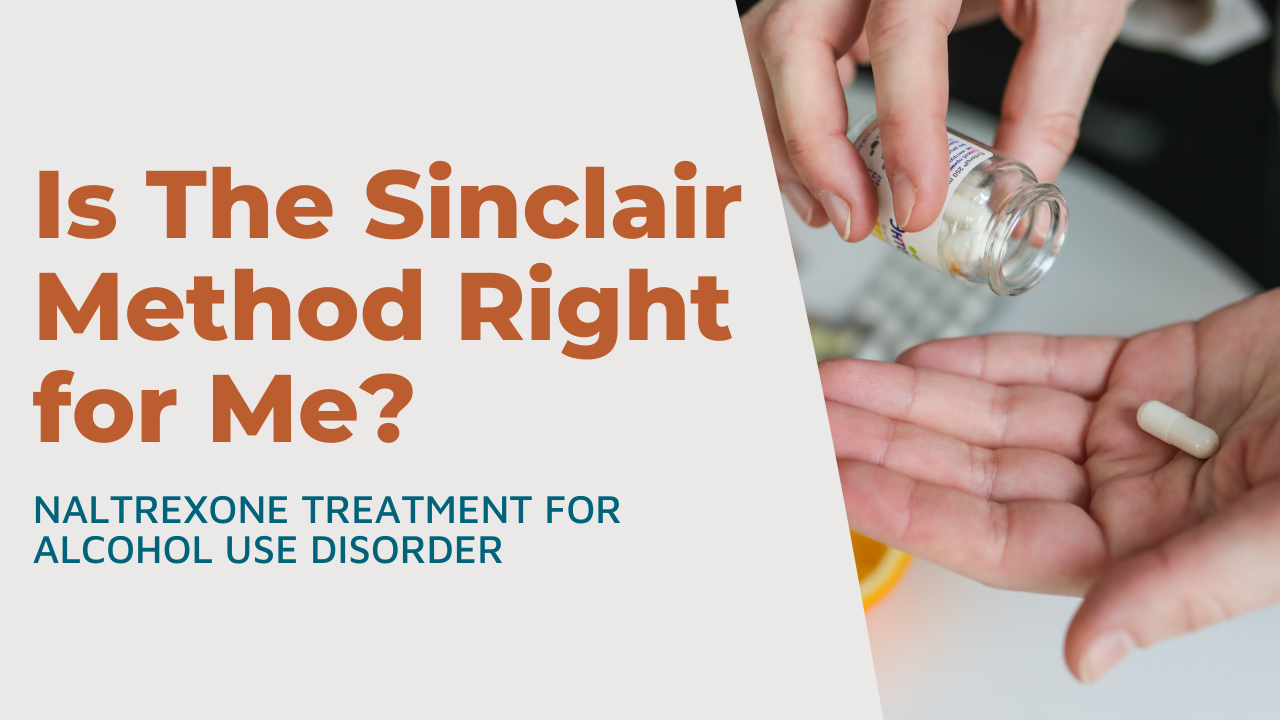
That’s when I found the Sinclair Method (TSM)—a science-backed approach that helps people gradually reduce their drinking.
What Is the TSM?
TSM is a treatment that helps people cut back on alcohol using a medication called naltrexone. Here’s how it works:
-
Take naltrexone – You take the medication about an hour before drinking.
-
It blocks endorphins – Alcohol releases “feel-good” chemicals, reinforcing the habit. Naltrexone blocks this reinforcement.
-
Drinking becomes less rewarding – Over time, cravings decrease, and drinking naturally tapers down.
TSM was a game-changer for me. Instead of forcing myself to quit, I was able to rewire my brain’s connection to alcohol. Drinking lost its grip on me, and over time, I found myself drinking less and feeling more in control.
Learn more about how and why the Sinclair Method works.
How to Cut Back on Drinking (Without Quitting)
If you drink every night and want to cut back, here are some strategies that helped me:
-
Try TSM – It’s a gradual, science-based approach to reducing alcohol consumption. You can get started here.
-
Set mindful limits – Start by tracking your drinks and setting small goals.
-
Replace drinking habits – Find alternative ways to relax or unwind in the evenings.
-
Identify triggers – Notice when and why you drink to help break the cycle.
-
Get support – Having a community or guidance can make a huge difference.
Frequently Asked Questions
Am I an alcoholic if I drink every night?
Drinking every night does not automatically mean you have Alcohol Use Disorder (AUD) or are an "alcoholic." However, daily alcohol consumption is a strong indicator of physical tolerance and habitual dependence. Rather than focusing on a label, it is critical to evaluate whether nightly drinking is negatively impacting your sleep, health, relationships, or daily responsibilities.
What are the warning signs of Alcohol Use Disorder?
Clinical warning signs that daily drinking has evolved into Alcohol Use Disorder (AUD) include:
-
Loss of Control: Drinking more or for longer than originally intended.
-
Persistent Cravings: Experiencing a strong, frequent urge or desire to use alcohol.
-
Failed Attempts to Cut Back: Wanting to decrease consumption but being unable to do so.
-
Increased Tolerance: Needing significantly more alcohol to achieve the desired effect.
-
Neglecting Responsibilities: Alcohol use interfering with work, school, or home life.
How can I reduce my drinking without quitting alcohol completely?
You can safely reduce your consumption without total abstinence by using The Sinclair Method (TSM). This evidence-based medical approach utilizes the FDA-approved medication naltrexone, taken one hour before drinking, to target the brain's reward system. Over time, this process diminishes alcohol cravings and allows individuals to naturally moderate or reach complete sobriety without the pressure of quitting cold turkey.
The Bottom Line: You Have Options
Drinking every night doesn’t necessarily mean you have a severe problem, but if you’re questioning your drinking, it’s worth exploring ways to regain control. The good news? You don’t have to quit drinking forever to make a change.
For me, the Sinclair Method was the key to breaking free from nightly drinking without the pressure of quitting cold turkey. If you’re curious about how it works, click here to learn more.
Medical Disclaimer: This content is for informational purposes only and is not medical advice. Consult a healthcare professional before making any changes to your drinking habits or starting new treatments.
About the Author