Craving Alcohol Every Day (Especially Red Wine)? Here’s How I Broke Free Using Neuroscience
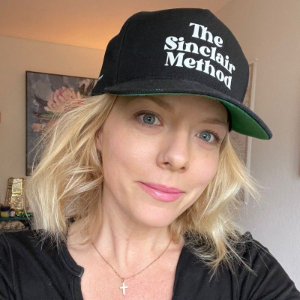
Apr 16, 2024Hi everyone, my name is Katie, and I started breaking free from daily alcohol cravings in 2017 thanks to a treatment known as the Sinclair Method (TSM). If you’re struggling with craving alcohol every day — especially red wine — I want to share my story, because I used to be exactly where you are.
The Constant Battle with Alcohol Cravings
For me, the cravings were especially strong for red wine in the evenings. It wasn’t just alcohol in general — it felt like my brain specifically wanted that glass (okay, the bottle) of red wine every night to unwind and relax.
For nearly 10 years, I lived in a constant battle with alcohol cravings. I’d wake up promising myself I wouldn’t drink, only to find myself pouring a glass by the afternoon or early evening. The urges were relentless, and no matter how hard I tried to quit or cut back, I always ended up back at square one.
It became a vicious cycle of trying to resist, giving in, and then feeling ashamed — over and over again.
Why I Craved Red Wine Every Night (Not Just Alcohol in General)
What surprised me was how specific my cravings were — it was almost always red wine in the evenings. I drank many types of alcohol over the years, but I slowly started to prefer red wine because it felt more classy and elegant.
Through repeating this habit night after night, my brain began to connect red wine with unwinding, stress relief, and turning off after a long day. There was something about grabbing my favorite wine glass, popping open a bottle of Zinfandel (my go-to because of the higher alcohol content), and taking those first few sips that made my whole body feel calmer.
Over time, that ritual became automatic. Every evening around the same time, I’d feel a strong craving for red wine — and I’d look forward to it all day long.
Understanding the Alcohol Deprivation Effect (ADE)
One of the reasons alcohol cravings — especially red wine cravings — can feel so intense is something called the Alcohol Deprivation Effect (ADE).
This happens when you stop drinking for a short period of time, even just a day or two, and your brain reacts by wanting alcohol even more.
It’s not simply about willpower or wanting what you “can’t have.” It’s a neurological response. Over time, my brain had grown used to getting a steady boost of endorphins and dopamine from red wine each evening. So when I skipped a day, a weekend, or even tried to take a longer break, my brain felt deprived of that reward and sent stronger craving signals to get it back.
That’s why after going a short time without drinking, the urge for red wine often came roaring back even louder. This cycle of stopping, craving intensely, and then giving in was my reality for years.
Check out David’s experience with ADE before naltrexone and TSM 👇
How the Sinclair Method Helped Me Stop Craving Red Wine
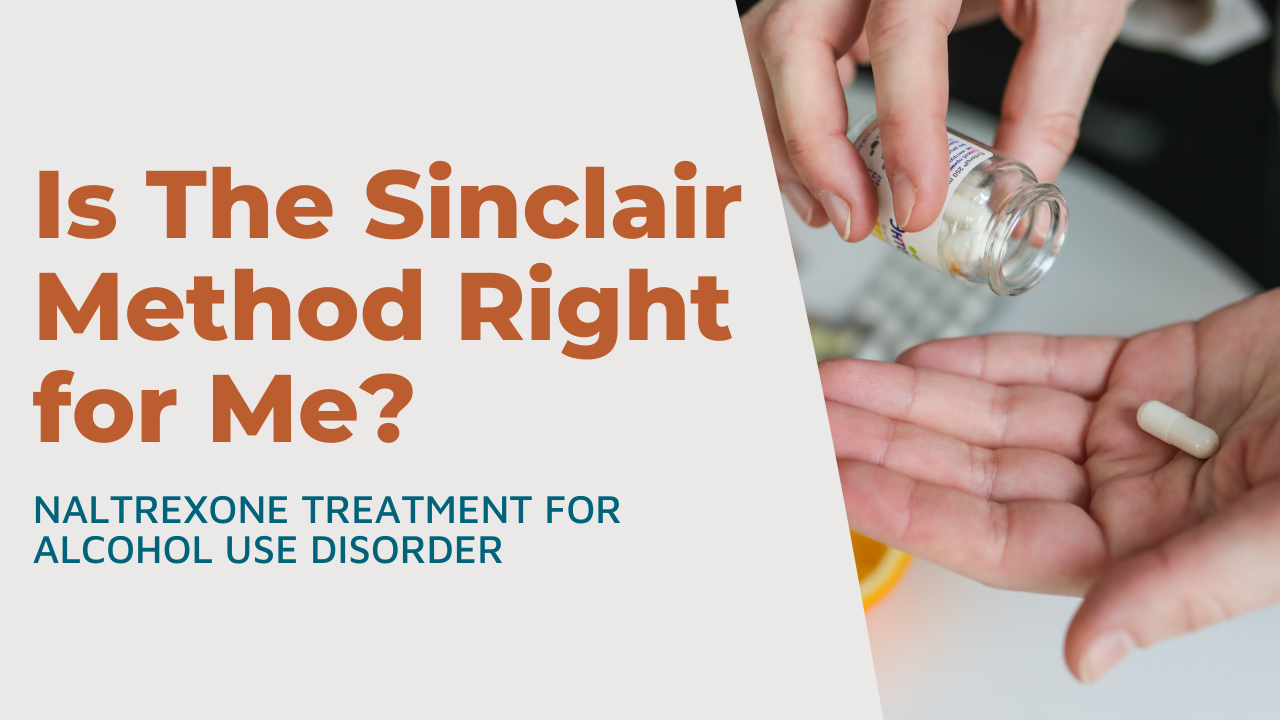
The Sinclair Method didn’t just suppress my cravings — it helped rewire my brain’s relationship with alcohol. Using the medication Naltrexone, taken an hour before drinking, TSM works by blocking the endorphin rush alcohol normally creates. Over time, this lowers the brain’s expectation of pleasure from alcohol, which naturally reduces cravings and can even eliminate them altogether.
What that meant for me personally was that red wine slowly stopped having the same pull it once did. The ritual was still there at first, but the intense reward my brain was chasing began to fade.
Unlike traditional programs that often require complete abstinence from day one, TSM allows you to keep drinking while your brain gradually breaks its dependence on alcohol’s reward. This was a game-changer for me, because every time I had tried to quit cold turkey in the past, the cravings only came back stronger.
My Journey from Craving Red Wine Every Night to Freedom
When I started TSM, I noticed a shift almost immediately. Drinking just wasn’t as rewarding as it used to be, and I found myself thinking about alcohol less and less. Over the months, my cravings for red wine — and alcohol in general — continued to fade, and I naturally began drinking less.
I used to be someone who could easily drink a full bottle, or even two, of red wine every single night. Slowly, I reached a place where I felt satisfied with just a glass or two here and there. Eventually, I was spending most of my time alcohol-free, and when I did have a glass of wine, I could stop — something I never thought would be possible for me.
After about a year on this treatment, my desire to drink had nearly vanished. Today, the cravings that once dominated my every thought are a distant memory. I no longer feel that pull toward alcohol, and it feels genuinely freeing.
Tips for Managing Alcohol Cravings
If you're struggling with alcohol cravings, here are a few practical tips that helped me along my journey, especially once I started naltrexone and TSM:
- Delay the First Drink: If you feel the urge to drink, try waiting 15-30 minutes. Often, cravings will pass if you give them time.
- Stay Busy: Distracting yourself with an activity you enjoy can help take your mind off cravings.
- Practice Self-Compassion: Don’t beat yourself up if you struggle with cravings. It's part of the process, and change takes time.
- Use Naltrexone (If on TSM): Taking your medication consistently as prescribed is a critical step in reducing cravings over time.
- Connect with Support: Whether through online communities, a coach, or a trusted friend, talking about your cravings can help you feel less alone.
Frequently Asked Questions
1. Why do I crave alcohol every day? Alcohol cravings are often a result of the brain’s reward system being conditioned to associate alcohol with pleasure. Over time, this can create a cycle of craving and consumption that feels hard to break.
2. Why do I crave red wine specifically at night? Craving red wine in the evenings is often less about the wine itself and more about the habit your brain has built around relaxation and reward. Over time, your brain can start linking red wine with unwinding after a long day, feeling calmer, and turning off stress. When the same routine happens night after night, the craving can show up automatically around the same time each evening — even before you consciously think about drinking.
3. How long does it take to reduce alcohol cravings with TSM? Every person's journey is different, but many people start to notice a reduction in cravings within a few weeks to a few months. Consistency with the method is key. For most people using TSM, cravings eventually go away completely over time.
4. Can I still drink while trying to reduce cravings? Yes, with TSM, you can continue to drink while retraining your brain's response to alcohol. The key is to take Naltrexone as prescribed, one hour before drinking.
5. Can I take naltrexone to help with alcohol cravings even if I'm not drinking anymore? Yes, research shows that naltrexone can be an effective anti-craving medication even for those who are no longer drinking. It may help reduce cravings and support long-term sobriety if that is your goal.
You’re Not Alone
If you’re craving alcohol every day, know that you’re not alone. Many of us have been there, and there is hope. Naltrexone and TSM might be the answer you’ve been searching for. I’ve shared many success stories from others who have transformed their relationship with alcohol through TSM. You can find these stories and more information on my YouTube channel and website.
Take the First Step Toward Freedom from Alcohol Cravings
I encourage you to explore naltrexone and TSM further, you can learn more about it here. It could be the key to breaking free from daily alcohol cravings and reclaiming your life. Remember, it’s not just about willpower—it’s about giving your brain the chance to heal and reset.
Medical Disclaimer: This content is not medical advice, diagnosis, or treatment. Consult a healthcare professional for any medical concerns. Do not ignore or delay seeking medical advice based on this content.
About the Author