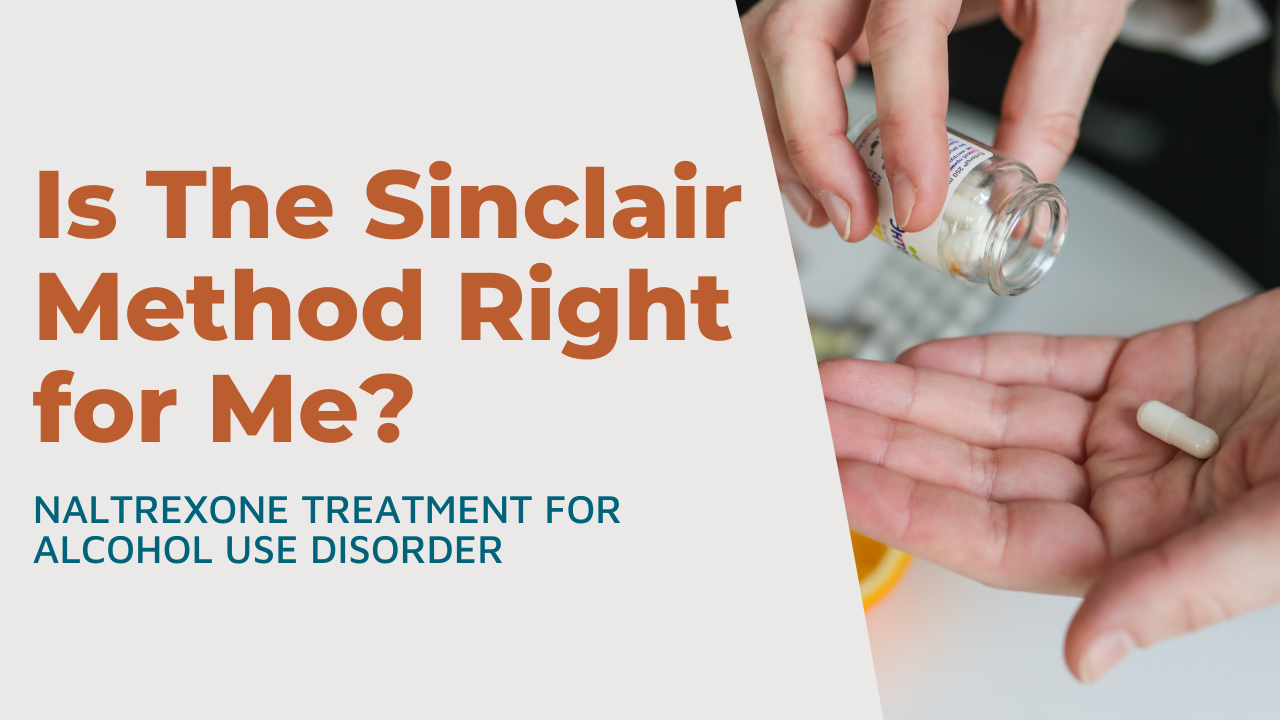
What to Avoid When Taking Low Dose Naltrexone: A Guide to LDN Interactions
Jun 23, 2026
If you or a loved one are exploring Low Dose Naltrexone (LDN) as a potential treatment option, understanding how it generally interacts with other substances, lifestyle factors, and specific medical scenarios is an important part of the research process. While only a healthcare professional can provide specific medical guidance, learning about the general protocols surrounding LDN can help patients feel more informed during their next doctor's appointment.
Understanding Low Dose Naltrexone
Before looking at how LDN interacts with other variables, it helps to understand what makes it unique. Unlike standard naltrexone—which is typically prescribed at higher doses (around 50mg) for alcohol and opioid dependence—Low Dose Naltrexone utilizes significantly smaller amounts, usually ranging from 1.5mg to 4.5mg. At these lower doses, researchers believe the medication works differently in the body, primarily by modulating the immune system and targeting inflammatory pathways.
Key Low Dose Naltrexone Drug Interactions and Contraindications
1. Opioid Medications
One of the most widely documented interactions involving LDN is with opioid medications. Because naltrexone is an opioid antagonist, it binds to opioid receptors in the brain.
-
Mechanism: LDN can block the therapeutic effects of opioid-based painkillers, rendering them less effective.
-
Risk of Withdrawal: For individuals currently taking opioids, introducing an antagonist like LDN can potentially trigger sudden withdrawal symptoms.
-
Common Opioids: This category includes prescription pain relievers, certain over-the-counter medications, and cough syrups containing ingredients like codeine, morphine, hydrocodone, oxycodone, or tramadol.
2. Other Medications and Supplements
While LDN is generally noted for having fewer drug interactions than many standard pharmaceuticals, certain categories still require careful medical oversight:
-
Immunosuppressive Drugs: Because LDN is thought to stimulate or modulate the immune system, it may counteract medications designed to suppress immune activity (such as those prescribed for severe autoimmune diseases or organ transplants).
-
Dietary Supplements: Certain herbal blends, high-dose vitamins, or natural products can influence liver metabolism or immune function, which is why providers typically request a full inventory of a patient’s supplement routine.
Important Timing, Food, and Lifestyle Considerations
Should You Take LDN With or Without Food?
A common logistical question for patients looking to optimize their routine is whether to take LDN with or without food. In clinical settings, many prescribing physicians recommend taking the medication on an empty stomach—typically at least two hours after a meal—to ensure optimal and consistent absorption. However, because individual tolerances vary, some patients discuss taking it with a small snack if they experience initial stomach sensitivity.
Evening Dosing Trends
In clinical practice, prescribing physicians often look at specific timing factors to optimize how the body processes the medication. Many providers recommend taking LDN in the evening, often between 9 PM and 3 AM. This traditional scheduling is intended to align with the body's natural circadian rhythms and peak endorphin production.
Alcohol Consumption
For individuals exploring LDN for reasons other than alcohol use disorder, the relationship between the medication and alcohol is a common question. While there is no direct, dangerous chemical reaction between the two, many clinicians suggest limiting or avoiding alcohol during the initial weeks of treatment. This makes it easier for the patient and doctor to accurately identify and isolate any early side effects caused by the medication itself.
What to Know About Stopping LDN and Managing Dental Work
Can I Just Stop Taking Low Dose Naltrexone?
Patients frequently wonder about the protocols surrounding stopping LDN or if they can simply discontinue it on their own. While LDN does not carry the same chemical dependency or withdrawal risks as standard opioids, clinical guidelines emphasize that patients should avoid abruptly stopping or altering their dosage without medical guidance. Consulting a prescriber ensures that any underlying symptoms being managed by LDN do not suddenly flare up or worsen upon discontinuation.
Low Dose Naltrexone and Dental Work or Surgery
Because dental procedures and surgeries sometimes require acute pain management using opioid-based medications, patients frequently need a coordinated plan for pausing their routine. Standard medical protocols typically involve temporarily stopping LDN anywhere from 24 to 72 hours before a scheduled dental procedure or surgery. This temporary pause allows the body's opioid receptors to clear, ensuring that any necessary short-term pain medications can work effectively.
⚠️ LDN vs. Standard Dose Naltrexone for Alcohol Recovery
Because our program focuses on evidence-based protocols like The Sinclair Method (TSM) for alcohol use disorder, a frequent question arises: Can Low Dose Naltrexone (LDN) be used to manage alcohol cravings or alter drinking habits?
To shed light on this, watch this clip featuring Dr. Joseph Volpicelli, a leading naltrexone expert, researcher, and pioneer in the addiction treatment space:
What the Research Says About LDN and Alcohol
As Dr. Volpicelli notes, there are no definitive clinical studies demonstrating that ultra-low doses (like 1.5mg to 6mg) are effective for treating alcohol use disorder. From a pharmacokinetic perspective, micro-doses are generally too low to reach a therapeutic level capable of fully blocking alcohol's effects in the brain.
However, Dr. Volpicelli points out an interesting distinction between craving the first drink versus controlling your intake:
-
Dampening the Initial Desire: Anecdotally, some patients taking LDN for other health issues notice their baseline urge to drink decreases. Dr. Volpicelli explains that because low doses can sometimes spark a release of the body's natural endorphins, it might subtly reduce the background craving to reach for that first glass.
-
The "Buzz" and Binge Drinking: The major limitation of LDN is that if a person does decide to have a drink, a low dose is not strong enough to block the alcohol's rewarding effect on the opioid system. The individual will still get the chemical "buzz" or reward from the alcohol, meaning LDN is generally ineffective for controlling how much someone drinks once they start.
Why Standard Dosing is Crucial for The Sinclair Method
This is exactly why protocols like the Sinclair Method utilize a Standard Dose of Naltrexone (usually 50mg) taken specifically one hour before drinking. The full dose ensures a complete, temporary blockade of the brain's reward receptors. When alcohol is consumed, the standard dose blocks that dopamine rush, allowing the brain to gradually unlearn the behavioral reward association over time—a process known as pharmacological extinction.
The Vital Role of Social and Coaching Support
In addition to the right dosage, Dr. Volpicelli emphasizes a critical piece of the puzzle that medication alone cannot solve: psychosocial support.
"In general, social supports are really critically important for people in their recovery... when people have peer support or a coach, or someone who can help hold them accountable or give them support when they begin to lose hope—that’s critically important in terms of people getting better." > — Dr. Joseph Volpicelli
Whether a person utilizes daily naltrexone, targeted dosing via the Sinclair Method, or an extended-release option, pairing the physiological support of the medication with human coaching dramatically improves long-term outcomes.
Lifestyle Tips and Tracking for Success
Because LDN works gradually in the body, managing expectations and tracking daily habits can be incredibly useful for long-term progress.
-
Sleep Monitoring: Some individuals report temporary sleep disturbances or vivid dreams when first starting LDN. Maintaining a consistent sleep routine and discussing timing adjustments with a doctor can help manage these shifts.
-
Patience with Progress: Unlike fast-acting pain relievers, LDN typically requires several weeks or even months to demonstrate its full therapeutic effects.
-
Symptom Journaling: Keeping a simple daily log of pain levels, energy, sleep quality, and mood provides valuable, objective data that a healthcare provider can use to fine-tune a protocol over time.
Moving Forward Safely
Every individual responds uniquely to low-dose therapies. Patients are always encouraged to maintain an open dialogue with their prescribing physician and seek prompt medical advice if they experience persistent side effects, such as severe headaches, significant mood changes, or unexpected physical discomfort.
If you are trying to determine which protocol aligns with your personal goals, our online program at Thrive provides the exact blend of TSM-knowledgeable medical access, peer community, and targeted behavioral coaching recommended by leading experts to help you safely change your relationship with alcohol.
Disclaimer: This article is for informational and educational purposes only and does not constitute medical advice. Always consult with a qualified healthcare provider before starting, stopping, or altering any medication or treatment plan.
About the Author