Mindful Drinking: What Does a Healthier Relationship With Alcohol Actually Look Like?
Nov 24, 2026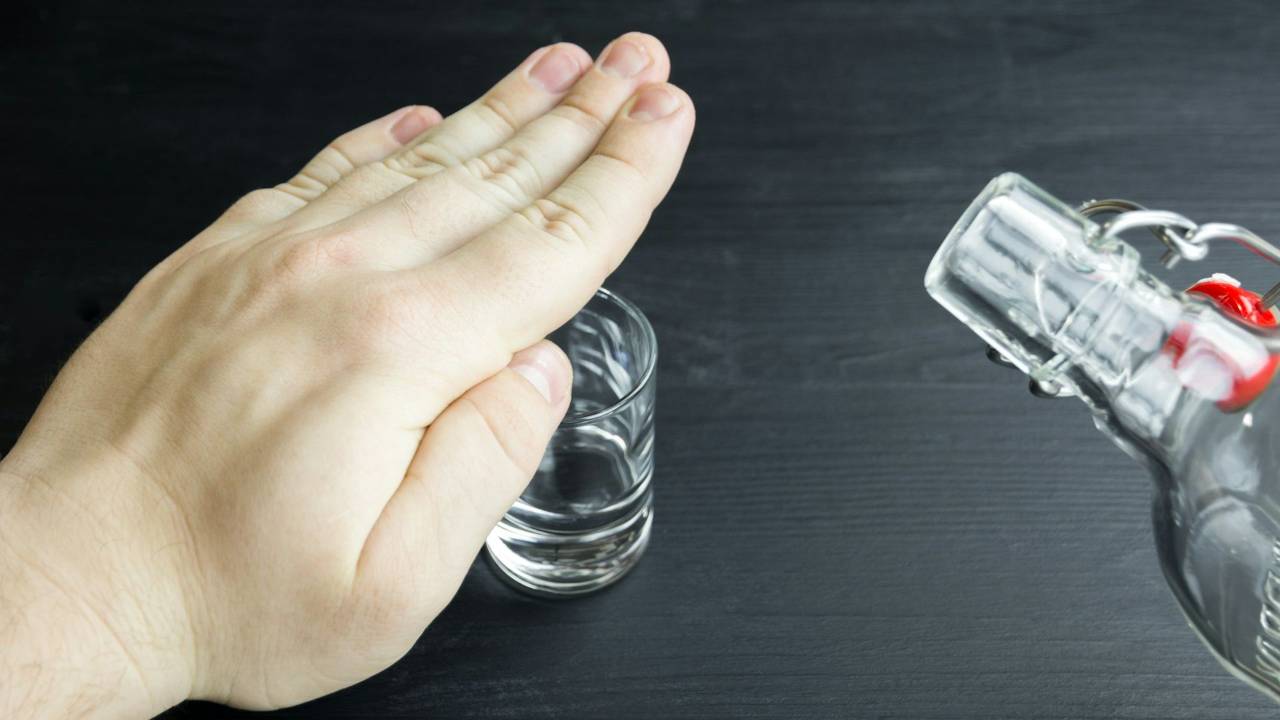
Key Takeaways:
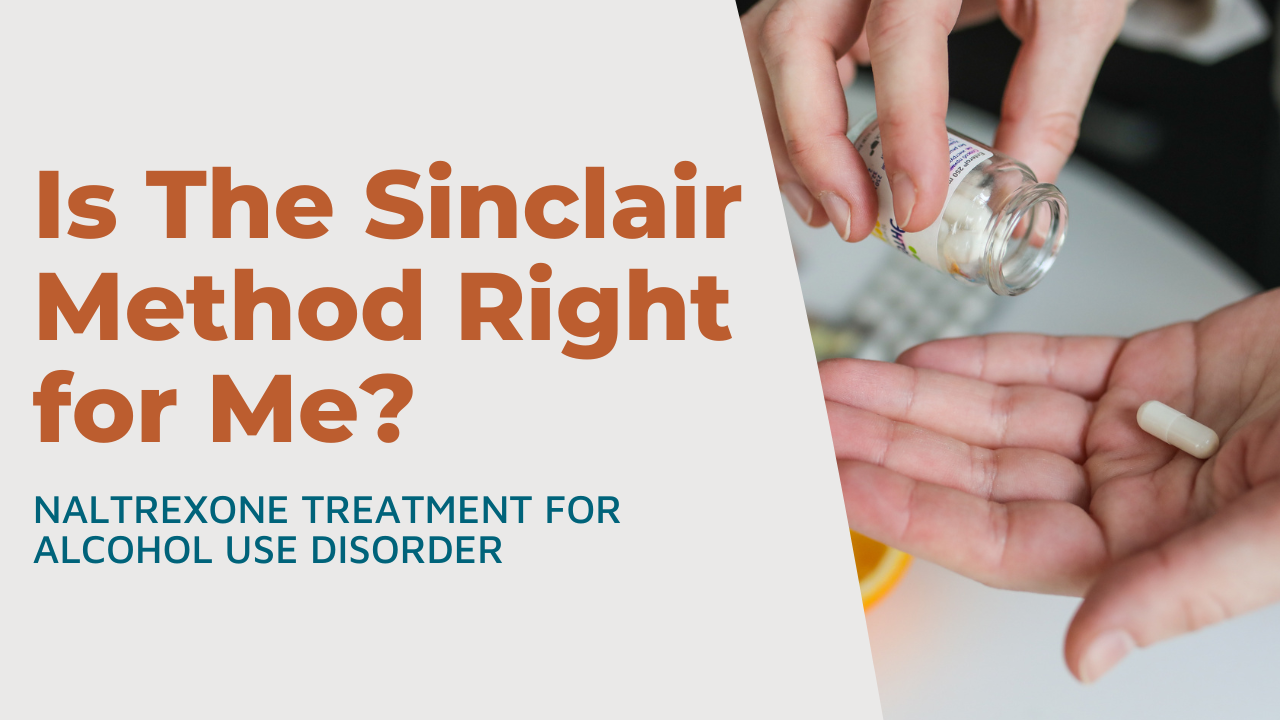
- When I first started my journey toward a healthier relationship with alcohol , I didn’t really know what to expect, especially using The Sinclair Method and Naltrexone.
- Naltrexone interrupts the reward signals alcohol triggers, which gave me room to retrain my habits and build self-control with alcohol .
- Naltrexone and TSM gave me more control, and finding new interests to take the place of drinking helped that change stick.
- I also learned to tell the difference between wanting a drink and reaching for one out of habit, which is where mindful drinking comes into play.
What to Expect When Trying to Drink Less Alcohol
The concept of mindful drinking is designed to help you create a healthier relationship with alcohol . It explores self-control around alcohol and encourages awareness about how much you’re drinking, instead of focusing on strict rules whenever you drink.
I found this method especially helpful when I wanted to reduce my drinking, because it had become an automatic part of my day that I’d never really examined. Once I started shifting my awareness to whether I actually wanted or needed a drink, it became easier to say no—especially with the aid of Naltrexone and The Sinclair Method .
Maybe my experience with alcohol reduction can help you on your own journey, whether you’re using Naltrexone, TSM, or something else. Keep reading for insight into mindful drinking and the effects of drinking less alcohol over time.
What Is Mindful Drinking ?
Being mindful around alcohol is more of a mindset than anything else. Over time, it’s meant to help you reduce the overall amount you drink through an exploration of the choices behind your decision to drink in that one moment.
The answers to this question of why you’re drinking right now aren’t meant to be judged—just observed. Every time you answer it, you re-evaluate whether you actually want to drink, which can lead to drinking less.
How to Become Mindful Around Alcohol
For me, the first step toward mindful drinking is simply becoming aware of the feelings that make me want to consume alcohol. Did I have a stressful day? Am I celebrating something? Is there social pressure to drink during a special event?
You’ll notice patterns connected to the emotions you’re feeling on days when you drink more, as well as the people who encourage alcohol consumption in your life.
Try to avoid judging yourself when making these observations. Simply notice and catalog what’s going on, so you can take more effective, actionable steps when you want to make a change.
Mindful Drinking Exercises
Mindful drinking and self-control with alcohol take practice, and that’s normal. They did for me, too. Here are a few exercises that helped me maintain mindfulness when drinking and build a healthier relationship with alcohol .
-
Being Prepared
Being mindful about anything mostly comes down to planning. Deciding how much you’ll drink ahead of time helps you set a benchmark for your boundaries. Once you set a goal, you’ll already be more mindful, since you’ll be counting your drinks and planning a non-alcoholic beverage for the switch.
After examining your motivations, you may even decide that you don’t want to go out drinking and plan an alternative activity with friends!
-
Recognizing My Triggers
Social events, special occasions, stress, and peer pressure can all be reasons for consuming alcohol. Recognizing the trigger for every day I drank made the choice a lot more conscious. I felt like I had more control over my decision because I knew why I was making it.
-
Personalizing My Choices
Social pressure may be a big influence on you, especially when it comes to alcohol. But you have to remember that drinking is a personal choice. You shouldn’t feel ashamed if you don’t want to drink. It’s your body! You decide what goes in it.
-
Order First
If you feel pressure to order an alcoholic beverage because everyone who ordered before you did so, defeat it by being the first to order. There’s no guilt or pressure when you haven’t heard what anyone else’s plans are!
-
Take Your Time
Part of mindful drinking is being aware of the full experience. Savor your drink and live in the moment! And if you’ve noticed that you’re not enjoying your drink, don’t finish it! Forcing down something you don’t even like definitely won’t create a healthier relationship with alcohol .
What Happens When You Drink Less?
Many people notice some of these changes when they drink less alcohol, though everyone’s experience differs. Here’s what can come up:
Pros:
- Possible Improvements in Sleep
- Health Benefits Over Time
- More Mental Clarity
- Possible Changes in Weight
- Stronger Self-Control with Alcohol
- Discovering New Hobbies & Interests
Cons:
- Social Pressure
- Possible Naltrexone Side Effects
- Exclusion from Events
- Possible Withdrawal Symptoms
- Struggling to Find Alternatives
- Mental & Emotional Adjustments
All of these effects can take time to materialize, and you may experience some but not others. Take each day as it comes and strive to look at your journey without judgment.
If you drink daily or heavily, talk with a healthcare professional before cutting back. Reducing alcohol suddenly can cause withdrawal symptoms, and some can be serious. Your prescriber can also help you sort out which naltrexone side effects are expected and which are worth a call.
Self-Awareness Means Personal Growth
Making mindful drinking part of your coping skills to reduce alcohol consumption can be incredibly valuable. Different methods work for different people, and mindfulness may be a powerful tool in your arsenal.
If you’re wondering what else could support you as you change how you drink, consider exploring Thrive Alcohol Recovery . We prioritize a personalized experience for everyone, encouraging you to find your own answers — whether they include medication, community support, Alcoholics Anonymous , TSM, mindfulness, or a combination that uses a little bit of everything!
Learn more about alcohol recovery when you check out our free resources and discover how we work .
Medical Disclaimer: This content is not for medical advice, diagnosis, or treatment. Consult a healthcare professional for any medical concerns. Do not ignore or delay seeking medical advice based on what you read here.
About the Author