The "Nalover" Survival Guide: Why Naltrexone Hangovers Happen (And What to Do)
Jul 23, 2026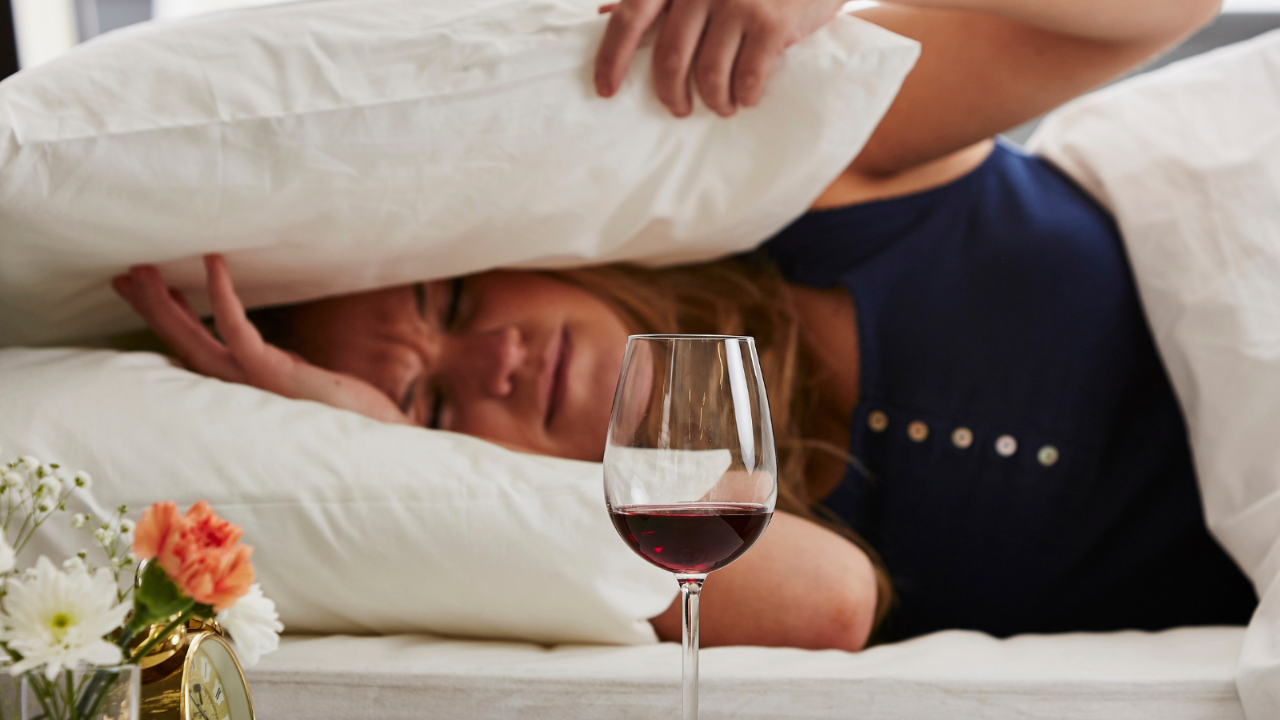
If you woke up today feeling like you got hit by a freight train after drinking on Naltrexone, let's get one thing clear right away: you aren't crazy, and you aren't doing the treatment wrong.
When starting Medication-Assisted Treatment (MAT) or following The Sinclair Method (TSM), most people expect the medication to quiet their alcohol cravings. What catches many off guard is the brutal, next-day physical tax that drinking on Naltrexone can sometimes exact—a phenomenon online recovery communities have dubbed the "Nalover."
Whether you're in week two of treatment or a year into your journey, here is what’s actually happening to your body, what our community data reveals, and how to navigate it.
The Survey Data: How Common Are Naltrexone Hangovers?
If it feels like your hangovers have taken a turn for the worse since starting Naltrexone, you are far from alone. We surveyed 117 people currently taking Naltrexone to see how their next-day symptoms changed compared to their pre-medication days.
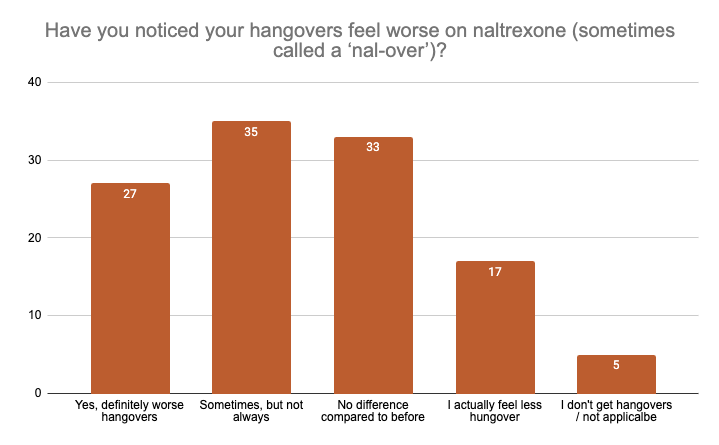
Out of all 117 respondents:
-
53% (62 people) report worse or occasionally worse hangovers:
-
23% (27) — Definitely worse hangovers
-
30% (35) — Sometimes, but not always worse
-
-
28% (33) — No difference compared to before
-
15% (17) — Actually feel less hungover
-
4% (5) — Don't get hangovers / Not applicable
The Big Picture:
Over 53% of all respondents (or 55% of those who actively experience hangovers) report that Naltrexone makes their hangovers worse at least some of the time. Only 15% feel less hungover—typically because the medication helped them cut their total drink count down to almost nothing.
Stage 1: The Early-Stage "Nalover" (Chasing the Buzz & Unmasking Alcohol's True Nature)
During the first few weeks or months of taking Naltrexone, worse hangovers are usually driven by three main factors:
1. Unmasking Alcohol's Depressive Effects
Alcohol is a central nervous system depressant, but it normally masks its own depressing nature early in the night by triggering a flood of endorphins and dopamine.
Because Naltrexone blunts those rewarding, euphoric effects, you are left experiencing alcohol's raw, depressing nature uninterrupted. Without the pleasant endorphin mask, the sluggishness, brain fog, and low mood start sooner and hit harder the next day.
2. The "Over-Drinking" Trap
Early in treatment, when your brain still expects a "buzz" that never arrives, it's common to accidentally drink faster or heavier to chase that missing feeling. While your brain isn't getting the high, your liver is still processing 100% of the alcohol toxicity, leading to heavy dehydration and severe next-day symptoms.
3. Compounded Side Effects
When you first start Naltrexone, baseline side effects like mild nausea, headaches, brain fog, and fatigue can linger. Mixing those baseline side effects with alcohol processing creates a double hit on your nervous system.
Stage 2: The Late-Stage "Nalover" (The Double-Tolerance Loss)
Here’s where things get interesting—and counterintuitive. You might assume that as you drink less over time, your hangovers will disappear entirely. However, many people near "pharmacological extinction" (the point where the brain no longer craves alcohol) report experiencing their worst hangovers from the smallest amount of alcohol.
This happens because of a Double-Tolerance Reset:
1. Losing Naltrexone Side-Effect Tolerance
When you first start Naltrexone and take it regularly, your body adapts to the medication within a week or two, and baseline side effects like nausea or headaches fade. But when you reach a point on TSM where you only take Naltrexone once or twice a month before drinking, your body never builds a lasting tolerance to the pill. Every time you take it, your system experiences it almost like "day one" again—triggering fresh baseline medication side effects right as you begin drinking.
2. Losing Alcohol Tolerance
At the same time, because you're drinking far less frequently, your liver down-regulates its production of alcohol-processing enzymes. You lose your physical tolerance to alcohol.
3. The Compound Hit
When you combine a fresh dose of Naltrexone (which your body isn't adjusted to) with alcohol (which your liver isn't adjusted to), the two compound each other. Even a few sips of wine can feel like a heavy physical hit the next morning.
💡 Practical Tip for Late-Stage TSMers: When taking Naltrexone infrequently triggers fresh side effects, a common step is consulting with a prescribing doctor to discuss adjusting the dosing schedule, timing, or frequency for occasional use. Many people in the community also find that pairing the medication with a substantial meal and plenty of water helps buffer initial stomach sensitivity as the system adapts.
🔬 The Medical Explanation: Rebound Withdrawal & Loss of Tolerance
To understand why a few sips of wine can cause a 24-hour hangover near Extinction, we spoke with Dr. Joseph Volpicelli, a leading physician and pioneering researcher in Naltrexone and The Sinclair Method.
Dr. Volpicelli explained that when you drink frequently, your brain builds up a physical tolerance—specifically to alcohol's sedative effects. When you reach the point in TSM where you are only drinking once or twice a month, two major biological shifts happen:
-
Unmasked Sedation: You no longer have a physical tolerance to alcohol's sedative properties. Instead of feeling a fun "buzz," alcohol simply makes you feel heavy, tired, and uncoordinated.
-
Rebound Withdrawal: As alcohol leaves a non-tolerant system, the body experiences an acute "mini-withdrawal."
"When the alcohol leaves your system, your body goes through a rebound withdrawal... Someone who hasn't consumed alcohol for a while will lose tolerance to the sedative effects. The next day, the withdrawal from the alcohol can feel even worse. I do believe there's a phenomenon of the 'Nalover'."
— Dr. Joseph Volpicelli
In short: the "Nalover" late in TSM isn't in your head. It's your brain going through a swift, uncomfortable physiological rebound because it has completely unlearned its tolerance to alcohol.
🎥 Personal Experience: A Brutal Hangover from 3/4 Glass of Wine
Katie Lain, Thrive Alcohol Recovery founder and TSM success story, shared a classic example of this late-stage phenomenon in a video she posted about a year after starting TSM.
After a year on TSM, Katie’s drinking frequency had naturally dropped to about once a month, rarely exceeding one or two drinks. During a special dinner out with friends, she decided to have some high-end red wine:
"I drank maybe 3/4 of a glass... I had a big meal, tons of food, tons of water, and felt completely sober after dinner. The next morning I woke up and I was SO hungover. I had the anxious feeling I used to get from hangovers, a headache, nausea, and just felt queasy for the majority of the day."
— Katie Lain
Katie noted that this was the worst hangover she had experienced on TSM, despite coming from the absolute least amount of alcohol she had consumed.
For Katie personally, wine—especially red wine—tended to trigger significantly worse "Nalovers" than other types of alcohol. Wine contains higher natural concentrations of congeners, histamines, and sulfites. When consumed on a system with zero alcohol tolerance, even less than a single glass of wine can trigger a sharp inflammatory response and a pounding headache the next morning.
Her body’s tolerance to both the alcohol and the medication had fully reset, and as Dr. Volpicelli noted, her non-tolerant system processed that 3/4 glass of wine not as a familiar habit, but as an acute toxin followed by a mini-rebound withdrawal.
What the TSM Community Says
Looking through forums like Reddit's r/AlcoholismMedication, Katie's experience and Dr. Volpicelli's insights are mirrored by hundreds of patients at various stages of treatment:
"Early on, I felt sick because I tried to drink through the Nal. A year in, I get a headache from half a beer. It’s like my body just lost all patience for alcohol."
"The 'Nalover' anxiety is real. Even if I don't drink enough to be truly hungover, the combination of the medication and alcohol makes my heart race the next morning."
How to Navigate and Support Yourself Through a "Nalover"
If you are dealing with intensified hangovers on Naltrexone, here are common strategies used within the community to help support recovery and minimize physical discomfort:
🛡️ Navigating an Active "Nalover"
-
Focusing on Electrolytes: Because alcohol depletes essential minerals like sodium and potassium, plain water often isn't enough. Many people reach for electrolyte solutions or coconut water to help support the body as it processes acetaldehyde (alcohol's primary toxic byproduct).
-
Replenishing B-Vitamins: Alcohol drains B-complex vitamins rapidly, which can contribute to next-day fatigue and "hangxiety." Incorporating B-vitamins post-drinking is a common recovery habit.
-
Allowing Time for Rest: Processing medication and alcohol simultaneously requires significant physical energy. Giving yourself permission to rest without guilt helps support your nervous system.
🔮 Habits for Future Drinking Days
-
The "Food First" Buffer: Taking Naltrexone or consuming alcohol alongside a substantial meal creates a physical buffer for the stomach lining, helping to curb baseline nausea.
-
The 1:1 Hydration Habit: Drinking a full glass of water or sparkling water between every alcoholic beverage helps offset alcohol's natural diuretic effect.
-
Honoring Lower Limits: As your physical tolerance shifts, paying close attention to early signals of fullness or tiredness allows you to stop drinking comfortably—even if there's still wine left in the glass.
The Silver Lining
While a "Nalover" is undeniably miserable while it's happening, it often serves a valuable role in long-term recovery.
As Dr. Volpicelli pointed out, the physical feedback acts as a natural discouragement to drink. When the brain realizes that alcohol no longer delivers a dopamine reward—and instead brings raw depressive effects and a heavy physical rebound—it speeds up the process of pharmacological extinction.
Experiencing an unexpected reaction to less alcohol isn't a setback; for many, it's a signs that the body and mind are unlearning old habits and actively healing.
Medical Disclaimer: The information provided in this article is for educational and informational purposes only and does not constitute medical advice. Always consult with your prescribing physician or a qualified healthcare provider regarding any questions about your medication, side effects, or treatment plan.
About the Author