A Different Approach to Reducing Alcohol Consumption
Nov 26, 2026
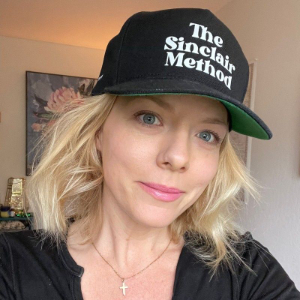
Hi, I’m Katie Lain, founder of Thrive Alcohol Recovery. If you’ve ever struggled with your drinking, chances are you’ve heard some version of the advice: “Why don’t you just quit?”
But if quitting alcohol were as simple as deciding not to drink, far fewer people would struggle with it. What many people don’t understand is why quitting alcohol is so hard, even when you genuinely want to change.
I know that experience personally. For nearly a decade, I struggled with my own drinking. I wanted desperately to drink less and feel in control again, but simply deciding to reduce my alcohol consumption wasn’t enough. And at the time, I thought my choices were pretty limited: somehow learn to control my drinking through willpower, or quit alcohol completely.
What I didn’t know was that there was another option.
I eventually discovered a treatment that didn’t require me to quit drinking in order to begin changing my relationship with alcohol or working toward drinking in moderation. Instead, it helped me gradually reduce my drinking and, even more importantly, my desire for alcohol.
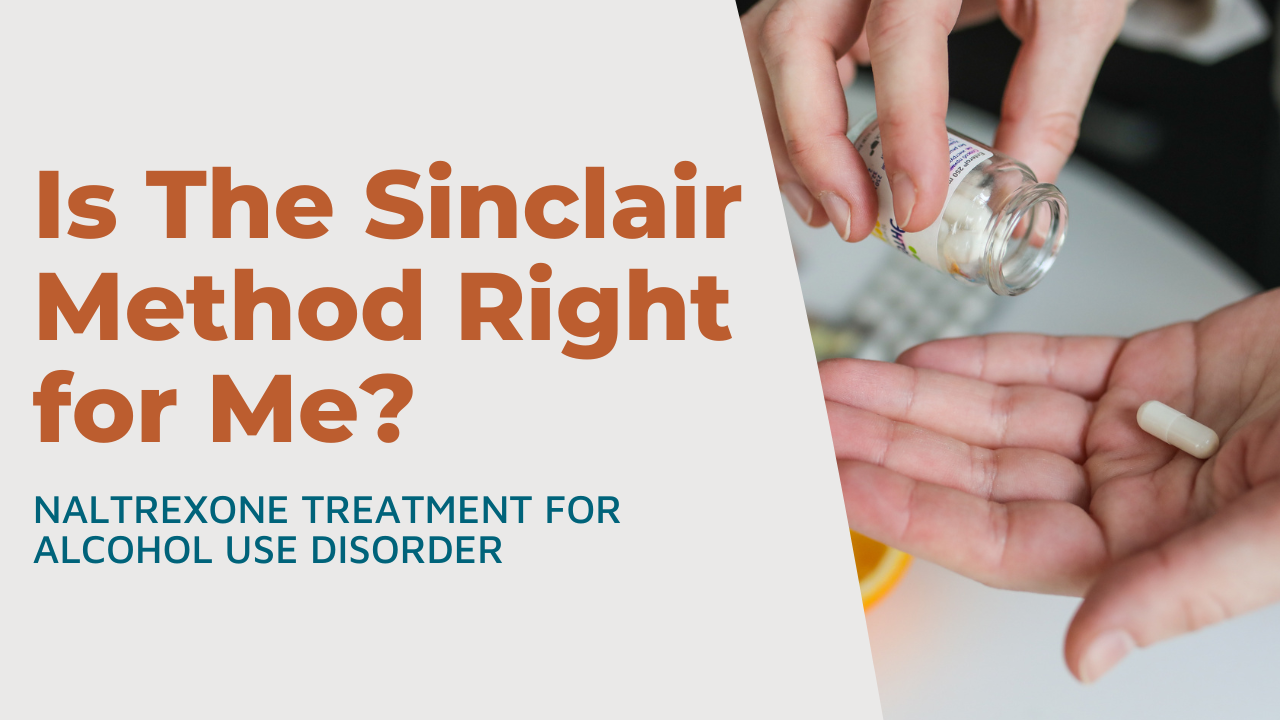
It’s called The Sinclair Method (TSM), an evidence-based treatment for alcohol use disorder that uses the prescription medication naltrexone to gradually reduce alcohol’s reinforcing effects over time.
For me, that changed everything.
Key Takeaways
- Quitting alcohol completely isn’t the only possible path to reduce alcohol consumption and change your relationship with alcohol.
- Alcohol can create a learned reward response in the brain, which is one reason why quitting alcohol is so hard even when you genuinely want to.
- The Sinclair Method uses the prescription medication naltrexone as part of a gradual process to reduce alcohol’s reinforcing effects over time.
- Drinking in moderation can be a valid goal. Some people eventually choose abstinence, while others continue drinking moderately.
- Medication is one part of the process. Learning about your habits, developing new coping tools, and having support can also help you reduce alcohol consumption as your relationship with alcohol changes.
Why “Just Quit” Can Feel So Unhelpful
Here’s what always bothered me about the advice to “just quit.”
It tells you what to do without helping you understand why quitting alcohol outright is so hard.
I knew I was drinking too much. I knew all the reasons I should cut back and try drinking in moderation. And believe me, I wanted to.
But wanting it badly enough wasn’t the problem.
Alcohol had become deeply woven into my routines, my habits, and the reward system in my brain. So every time I tried to reduce my alcohol consumption through willpower alone, I eventually found myself back in the same cycle.
Taking a break from alcohol can also sometimes increase the motivation or craving to drink and lead to drinking more than before if drinking resumes. Researchers call this the alcohol deprivation effect. Studied mainly in animals, it helps explain why wanting to quit doesn’t necessarily make the pull toward alcohol disappear.
That experience is part of why quitting alcohol is so hard for many people. There can be much more happening beneath the surface than simply making a decision and sticking to it.
Understanding that was a huge shift for me.
What Alcohol’s Reward Has to Do With It
One of the things that finally helped me understand my own drinking was learning about the brain’s reward system.
Alcohol can trigger the release of endorphins, which interact with opioid receptors involved in reward and reinforcement. Over time, repeated alcohol use can strengthen a learned association between drinking and reward.
In simple terms, your brain can learn: alcohol = something I want to do again.
That helped me understand why quitting alcohol is so hard: I could sincerely decide in the morning that I wasn’t going to drink that night, and then feel completely differently by 5 p.m.
It wasn’t that I didn’t care enough or wasn't trying hard enough.
There was a learned response to alcohol that I had spent years reinforcing.
And that’s what made The Sinclair Method so fascinating to me when I first learned about it.
A Different Way to Reduce Alcohol Consumption
The Sinclair Method takes a very different approach to changing your relationship with alcohol.
TSM uses the prescription medication naltrexone in connection with drinking as part of a process known as pharmacological extinction. Naltrexone blocks opioid receptors involved in alcohol’s reinforcing effects, allowing that learned association between alcohol and reward to gradually weaken over time.
One of the biggest differences between TSM and abstinence-based approaches is that you don’t have to quit drinking in order to begin the process.
That was huge for me.
When I found TSM, I wasn’t looking for a way to never drink again. I wanted alcohol to stop having so much control over me. I wanted to be able to reduce my alcohol consumption to a couple of drinks and actually feel satisfied. I wanted the constant pull toward alcohol to quiet down.
And gradually, it did.
TSM isn’t an overnight fix. For many people, the process unfolds over months as their relationship with alcohol gradually changes. But for me, it was completely different from trying to force myself not to want something I still desperately wanted.
Instead, over time, I genuinely wanted alcohol less.
What Drinking in Moderation Can Look Like
One of the things I care deeply about is letting people know that drinking in moderation can be a completely valid goal.
There can be an assumption that if you’ve struggled to reduce alcohol consumption, the only successful outcome is never drinking again.
That wasn’t my original goal, and it isn’t the goal of many people who come to Thrive.
For me, progress looked like drinking less, thinking about alcohol less, stopping more easily once I started, and gradually having more alcohol-free days—not because I was forcing myself through them, but because alcohol simply wasn’t calling to me in the same way anymore.
Eventually, I went from daily binge drinking to drinking only a few times a month with control.
And then something else happened.
Alcohol became so unimportant to me that I eventually chose to stop drinking altogether.
That doesn’t happen for everyone, nor does it need to. Some people use TSM to reduce alcohol intake and settle into drinking in moderation at a level they’re happy with. Others eventually decide they prefer life without alcohol.
For me, the most meaningful change was getting my choice back.
Medication Is Only Part of the Journey
As powerful as naltrexone and the Sinclair Method were for me, I also learned that changing my relationship with alcohol involved more than medication.
I had years of habits built around drinking.
Alcohol was connected to how I relaxed, how I celebrated, how I dealt with stress, what I did at certain times of day, and even how I transitioned from work into my evening.
As my desire for alcohol began to change, I had an opportunity to start looking at those patterns too.
What need was I trying to meet when I reached for alcohol?
Was I stressed? Bored? Lonely? Looking for relief or reward?
And if alcohol had been meeting that need for years, what else could I begin practicing instead?
This didn’t happen overnight either. It was gradual. I started noticing my patterns and making small changes little by little.
That’s also why I believe support can be so valuable during TSM.
You Don’t Have to Figure It Out Alone
When I went through the Sinclair Method, I spent countless hours trying to understand what was happening, what was normal, and whether I was making progress.
That experience is a huge part of why I eventually created Thrive.
Inside Thrive, members have access to experienced TSM coaches, step-by-step education, live support, and a private community of people who understand what this journey is actually like.
Because sometimes you don’t need someone telling you to “try harder.”
You need good information. You need tools. You need encouragement. And sometimes you simply need to hear from someone else who understands what you’re going through.
I’ve also written more about why the Sinclair Method still takes effort—just a very different kind of effort than relying on willpower alone.
Final Thoughts
If you want to change your drinking but aren’t ready—or simply don’t want—to commit to never drinking again, I want you to know that abstinence isn’t the only path available.
Learning about The Sinclair Method completely changed what I thought was possible for me.
Instead of constantly trying to control my drinking through willpower, I was finally using an approach designed to gradually reduce my desire for alcohol itself. Over time, I was able to reduce my alcohol consumption, regain a sense of control, and ultimately decide for myself what role I wanted alcohol to have in my life.
Your goal doesn’t have to look exactly like mine.
Maybe you want to drink less. Maybe you want to feel comfortable drinking in moderation. Maybe you’re not sure what you ultimately want yet.
That’s okay.
What matters is knowing that there are different options available—and that you don’t have to figure everything out on your own.
If you’re using or considering the Sinclair Method and would like more education, guidance, and support along the way, you can explore Thrive’s membership options and see how we can support you on your journey.
Medical Disclaimer: This content is for educational purposes only and is not medical advice, diagnosis, or treatment. The Sinclair Method involves prescription medication, and questions about whether naltrexone is appropriate for you or how to use your medication should be discussed with a qualified healthcare provider.
About the Author