Is It Normal to Drink Every Night? What to Consider if You're Questioning Your Habits
Oct 22, 2026I get asked some version of this question constantly: is it normal to drink every night, or is it something to worry about? 🍷
I wondered the same thing for almost ten years before I ever said it out loud to anyone, including myself.
This isn't going to be a checklist that tells you whether you qualify as anything. It's an honest look at what's normal, why cutting back is harder than it sounds, and how people actually go about controlling their alcohol consumption without quitting completely.
Key Takeaways
- Whether it's normal to drink every night comes down to how much you're drinking, not just how often.
- Struggling to stop or cut back at night usually comes down to habit and brain chemistry, not a lack of willpower.
- Taking hard breaks or setting strict rules can backfire and make cravings stronger, not weaker.
- You don't need a label to start paying closer attention to your own drinking habits.
- Getting binge drinking under control, or just controlling how much you drink most nights, tends to work better with support than trying to white-knuckle it alone.
Is Drinking Every Night Actually Normal?
Let's start with the honest, non-judgmental answer: no single number makes drinking every night automatically normal or abnormal. What matters is how much, and what it's doing for you.
According to NIAAA's official drinking guidelines, moderate drinking tops out at one drink a day for women and two for men. Binge drinking is defined as enough to bring your blood alcohol level to 0.08% or higher, which for most people means four or five drinks in about two hours.
So if you're drinking every night but staying within those limits, you're technically inside the moderate range. If your nightly count creeps past that, or stopping at one drink feels impossible, that's the part worth sitting with.
This Is Usually About Habit, Not Willpower
Here's something I wish someone had told me years ago: struggling to cut back usually isn't a willpower problem. It's a habit loop, and habits are learned, which means they can also be unlearned.
NIAAA's own “Rethinking Drinking” resource makes a similar point. A lot of us do things out of habit without ever really stopping to look at them. That's not a character flaw. It's just how habits work.
Once you see nightly drinking as a pattern your brain picked up over time, instead of a moral failing, the whole question of what's normal changes shape. It becomes less about being good or bad and more about understanding what's actually driving the habit.
Where Gray Area Drinking Fits Into the Picture
If you don't binge dramatically, hide bottles, or miss work because of drinking, but you also can't seem to stop at one glass, you might be living in what's called gray area drinking.
I wrote a whole post about this because I lived it for years. You can check out “9 Signs You Might Be a Gray Area Drinker” for the full list, but the short version is that it's the frustrating middle ground between casual drinking and anything extreme.
Psychology Today has a good breakdown of this too, including something they call "hangxiety," that anxious, foggy feeling that shows up the day after drinking more than you meant to. You can read their take here.
A lot of people in this gray area just want to know how to drink like a normal person again, without overhauling their whole life. That's a completely reasonable thing to want.
Why Cutting Back Can Feel Harder Than It Should
Ever notice that the harder you try to take a break from drinking, the stronger the cravings hit once you're back around alcohol? There's an actual name for that: the alcohol deprivation effect.
In short, deprivation itself can intensify cravings, even in people who don't have a drinking problem at all. This is a big part of why controlling your alcohol consumption through sheer restriction so often backfires.
Your brain isn't broken. It's just responding exactly the way brains tend to respond to deprivation.
What Changing Your Relationship With Alcohol Can Actually Look Like
I want to introduce you to David, a Thrive member whose story has stuck with me for years. He spent two and a half years in AA, fully committed, working the steps, even sponsoring others.
And he was still miserable. The cravings never fully let up, and the promise of a better life without alcohol felt hollow, even though he'd done everything he was supposed to.
David eventually found a different path through The Sinclair Method, and today he describes his life as one without labels. He's not white-knuckling sobriety or bracing for relapse. He just doesn't think about alcohol the way he used to.
You can read David's full story here. That's the kind of change I want you to know is possible too, whatever shape it ends up taking for you.
How Do You Actually Control Nightly or Binge Drinking?
If you're looking up how to control binge drinking or nightly drinking, chances are you've already tried the willpower approach, and it probably didn't stick. The answer usually isn't more discipline. It's addressing the craving itself.
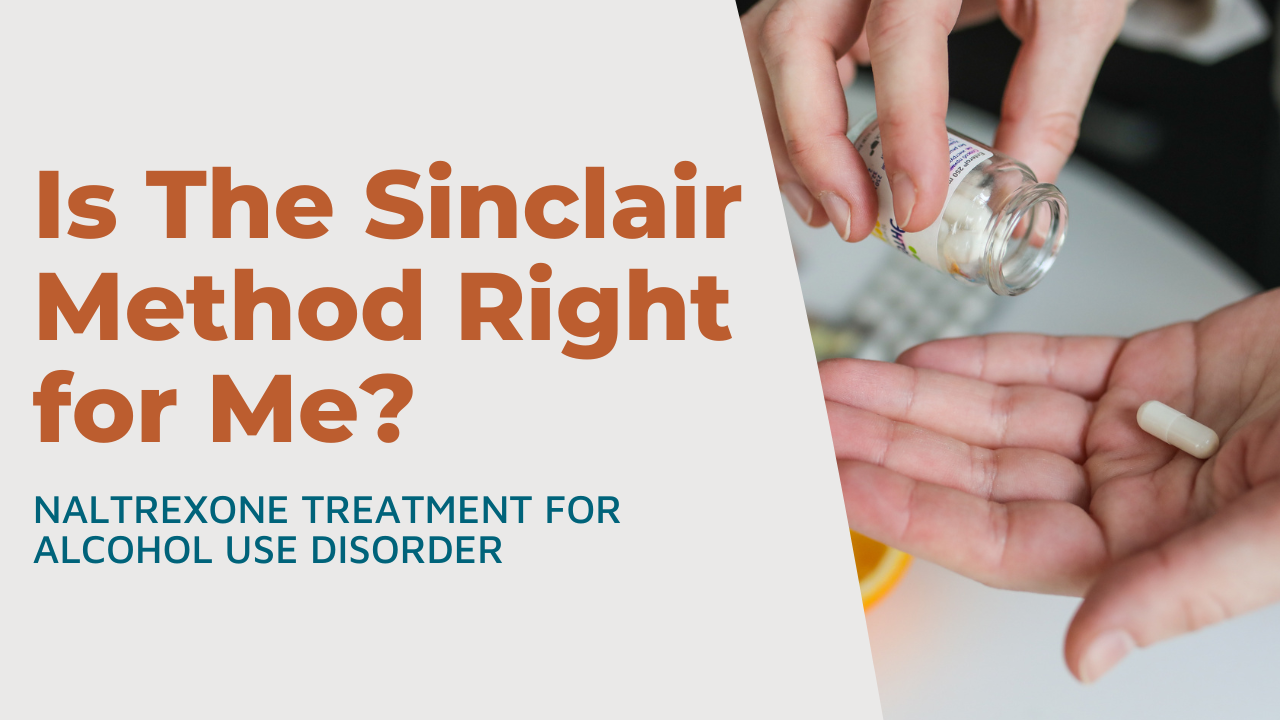
The Sinclair Method uses a medication called naltrexone, taken about an hour before drinking. Over time, it blocks the reward your brain gets from alcohol, which naturally fades the pull to keep going once you've started.
Most of what you'll find under how to control alcohol consumption is rules: counting drinks, promising yourself “just one tonight,” setting a hard stop time. Those rules rely on willpower. This works with your brain chemistry instead.
How Thrive Helps You Build More Control Without Quitting Completely
This is where Thrive Alcohol Recovery comes in, combining naltrexone and The Sinclair Method with real coaching to help you get binge drinking or nightly drinking under control, without requiring total abstinence.
I call this meeting the medication halfway: naltrexone quiets the craving, and coaching helps you build the habits and daily routines that actually stick.
Most people who join Thrive aren't trying to quit forever. Some do eventually lose interest in alcohol altogether, but that's not the starting goal. For a lot of members, it looks like finally feeling like they can drink like a normal person again, whatever that means for them. 🌱
What Does More Control Actually Feel Like Day to Day?
In practice, this usually means fewer nights where one drink turns into the whole bottle. Less mental noise about when you'll drink next. More mornings that don't start with regret.
It's not instant, and it's not always a straight line. But it's real, steady progress, not white-knuckling.
You Don't Need a Crisis to Start Paying Attention
You don't need a rock-bottom moment to ask yourself: is it normal to drink every night? Curiosity is a perfectly good reason on its own.
If any of this sounds familiar and you're ready to explore what more control could look like, take a look at what Thrive offers. We'd love to help you figure it out. 💛
Medical Disclaimer: This content is not for medical advice, diagnosis, or treatment. Consult a healthcare professional for any medical concerns. Do not ignore or delay seeking medical advice based on what you read here.
About the Author